
Mobile App Development in 2025
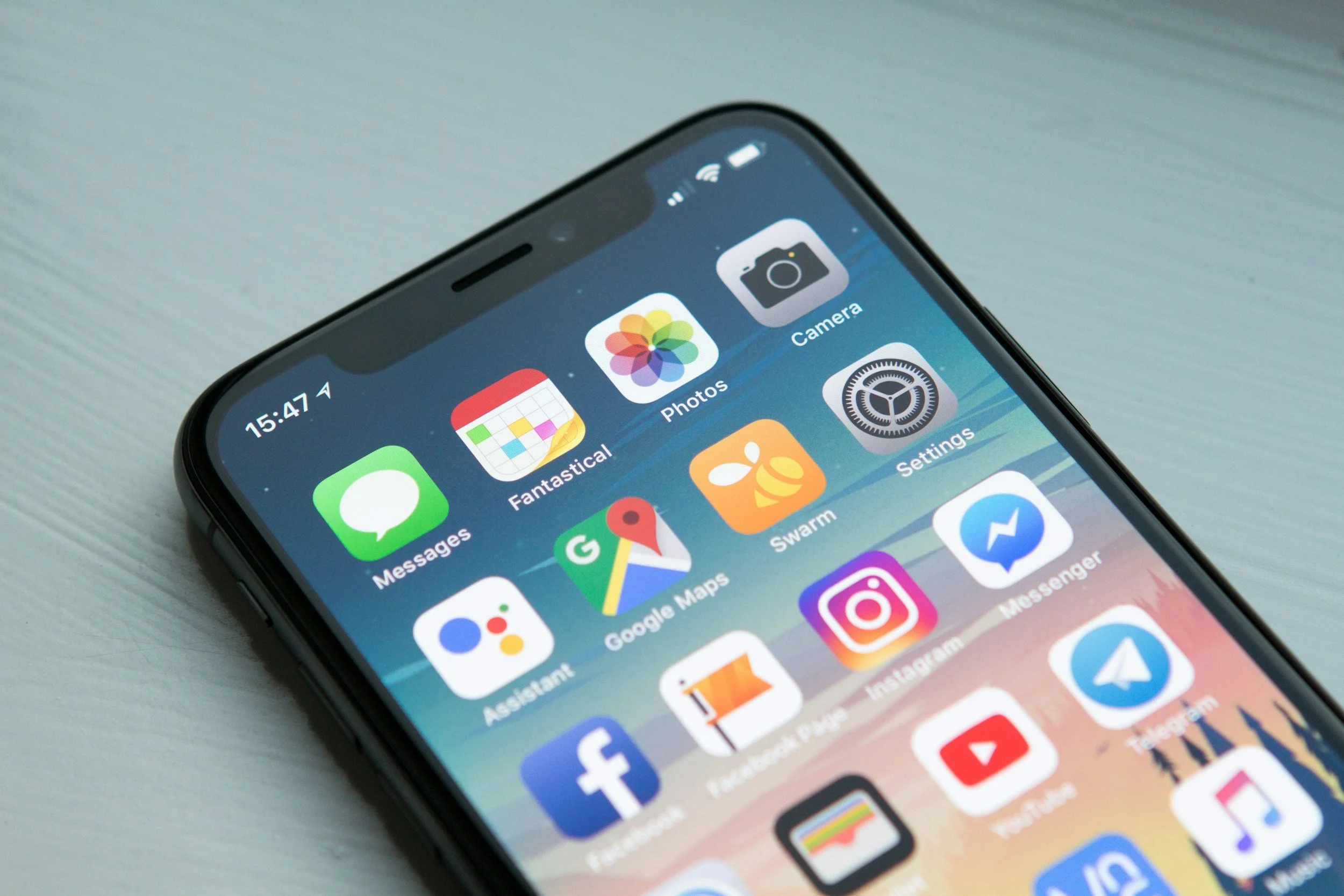
Demand for professional app development continues to grow - whether in e-commerce, tourism, or manufacturing. But which technology should you choose when you want to build an app? In this article, we provide a clear overview and decision guide covering the most important options.
Our goal is to give you, as a business owner or project lead, the information you need - whether you're currently looking for an agency to develop an app or planning concrete next steps yourself.
1. Native Apps
Native apps are built specifically for Android (Kotlin) or iOS (Swift) and deliver the highest quality in terms of performance and usability.
Advantages:
- Maximum performance and stability
- Perfect integration with hardware and system functions (sensors, camera, Bluetooth)
- Ideal for graphically demanding or complex apps, e.g. AR, health, or fintech
Disadvantages:
- Higher development costs due to two separate codebases
- Longer development times and higher maintenance effort
Ideal for: Demanding apps with complex logic, high security requirements, or specialized hardware integration.
2. Flutter
Flutter by Google enables app development for iOS, Android, and web with a single codebase. The framework stands out for its efficiency, flexibility, and rapidly growing popularity among both developers and clients.
Advantages:
- Reduced development costs through shared code
- Excellent performance thanks to native compilation
- Attractive and highly customizable user interfaces
- Strong web app performance, allowing Android, iOS, and web to be served simultaneously without significant additional cost
- Ideal for MVPs and scalable projects
Disadvantages:
- Not yet full support for all native interfaces (solvable through plugins or native bridging code)
- Slightly smaller developer community compared to native solutions
Ideal for: Companies that want to build their mobile app quickly and cost-effectively, for example in e-commerce, tourism, or business applications.
3. React Native
React Native by Meta is based on JavaScript and is particularly popular with teams that already use web technologies.
Advantages:
- Established developer base
- Good integration with existing web projects
- Ability to integrate native components
Disadvantages:
- Weaker performance compared to native solutions and Flutter
- UI experience can vary across different devices
- Higher maintenance effort for complex projects
- Adoption currently declining
Ideal for: Apps with low to medium complexity and companies that want to leverage existing JavaScript expertise.
4. Xamarin, Ionic, Cordova
Xamarin, Cordova, and Ionic were long considered simple entry-level solutions for cross-platform development. However, they no longer meet modern requirements for mobile apps.
Xamarin often struggles with performance issues, limited flexibility in UI design, and a slower development pace compared to Flutter.
Cordova and Ionic are fundamentally based on web technologies and run inside a WebView, which significantly impacts performance and user experience. Additionally, maintenance effort is particularly high for Cordova projects, as many plugins are no longer actively maintained.
Overall, Xamarin, Cordova, and Ionic are no longer recommended technologies for building a long-term successful, performant, and scalable mobile app.
Conclusion
Whether you choose native development, Flutter, or another technology - the right platform choice significantly impacts success, costs, and development time.
As an experienced app development agency, we guide you from the initial idea to the finished app. Our experts provide tailored advice based on your specific needs.