.webp)
App Conception: How Companies Define Scope, User Guidance, and Business Logic Before Design
App conception creates clarity before design and development become expensive: about goals, user roles, processes, scope, and priorities.
The Short Answer
Good app conception translates an initiative into a reliable working blueprint. It clarifies which problem the app solves, which user groups are relevant, how processes are mapped, and what should actually be included in a first version. This makes conception the foundation for good design, realistic budgets, and clean implementation.
Why App Conception Is Not a Precursor to Pretty Screens
Conception is often underestimated because it is not immediately visible. This is precisely what makes it so valuable. It prevents teams from discussing layouts, technologies, or individual features too early, when goals, roles, and usage scenarios are not yet clear enough.
In an enterprise context, this is particularly relevant. Apps here often depend on internal workflows, approvals, data sources, or multiple stakeholders. Starting directly with design or development without conceptual clarity quickly produces misunderstandings, loops, and costly priority shifts.
Goals, User Groups, and Roles Define the Product Core
Every app conception starts with the question of what concrete value the product should deliver. Is it about customer self-service, internal efficiency, digital support for existing services, or a new market channel? From this, the relevant user groups and their respective expectations emerge.
Equally important is role logic. Many enterprise applications serve not just one audience but several: end users, internal staff, administrators, or partners. Good conception makes these differences visible early and helps discover scope conflicts before they surface in development.
Processes, User Flows, and Information Architecture Create Orientation
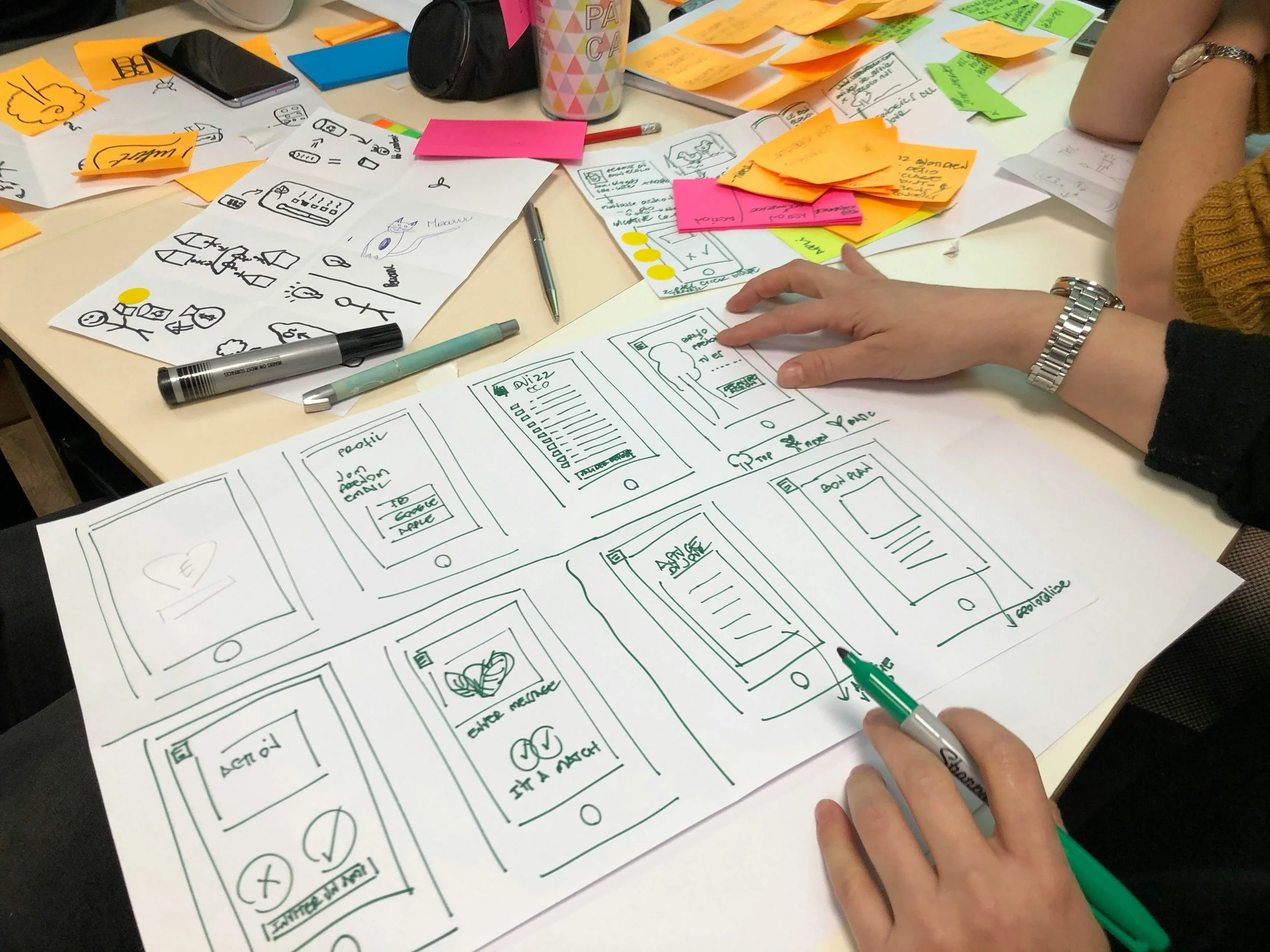
An app is not used in daily life according to feature lists but along concrete tasks. This is exactly why it is important to model processes, user flows, and decision paths early. Which information must be available at which moment? Where do uncertainty, waiting times, or unnecessary steps arise? Which inputs are truly needed, and which have simply grown historically?
From this work emerges an information architecture that gives design and development clear orientation. It helps reduce complexity, prioritize content correctly, and base later UX decisions on a reliable foundation.
A Good MVP Is a Conceptual Decision
MVPs rarely fail because too little was built. They more often fail because the initial product core was not prioritized rigorously enough. Good app conception helps separate essential value from optional extensions. This creates not a "small complete product" but a first version with a clear function and a realistic learning objective.
This is critical for budget and time-to-market. Companies can make decisions earlier when the scope is cleanly defined and the team knows which topics are deliberately excluded from the first release.
Conception, UX/UI, and Technical Feasibility Belong Together
Conception must not happen in a vacuum. User guidance, design, and technology influence each other. Some ideas are sound from a business perspective but technically expensive. Others can be solved convincingly through design but change processes or roles more than initially assumed.
This is why app conception gains value when product, design, and engineering look at relevant decisions together early. This produces not only better requirements but more realistic handoffs into UX/UI, architecture, and implementation.
Common Mistakes Before the Design Phase
Among the most common mistakes are unclear target visions, overly broad feature lists, missing prioritization, mixed-up user roles, and the desire to "approve" individual screens very early. It is also problematic when conception consists only of generic workshops but delivers no reliable results for scope, user flows, and technical assessment.
Good conception is concrete. It makes decisions traceable and creates material that design and development can actually work with.
What an Efficient Conception Start Looks Like
An efficient start does not require months of preparation. Often, well-prepared workshops, focused interviews, process analysis, and a structured distillation of results are sufficient. What matters is not the scope of the method but the quality of the clarification.
For companies, this is especially valuable when it is still open how large an initiative should really become, how an MVP can be meaningfully scoped, or which dependencies between business logic, UX/UI, and technology need to be considered.
Conclusion
App conception is not an end in itself. It is the phase where goals, scope, user guidance, and business logic become clear enough for design and development to follow reliably. Those who work cleanly here save effort later and improve the quality of the entire product.
FAQ
Do you need all requirements in detail for good app conception?
No. What matters most is a clear target vision, the relevant user groups, prioritized processes, and a reliable initial scope.
When should conception start before design?
Whenever roles, processes, scope, or dependencies are still open. Conception then creates the necessary structure for good UX/UI.
Who should be involved in app conception?
Typically product owners, business units, IT where applicable, and people who have strong knowledge of real user requirements or operational workflows.
What outcome should a conception phase deliver?
A clear initial product core with user flows, priorities, business structure, and a reliable foundation for design and technical implementation.
If you want to create clarity about scope, user guidance, and business logic before design and development, a structured conception start is worthwhile. allaboutapps supports companies with permanent teams in Vienna and combines conception, UX/UI, and technical assessment in a reliable approach.