.webp)
App Design & UX/UI for Enterprises: How Good Conception Improves Development and Operations
Good app design is not cosmetics. It translates processes, roles, and data into clear user guidance, reduces friction in development, and improves adoption in operations.
The Short Answer
App design in an enterprise context is far more than a polished interface. Good UX/UI and sound conception translate processes, roles, and information flows into clear user guidance. This not only improves product adoption but also reduces alignment loops, misdevelopment, and support effort. Companies that take app design seriously early on accelerate development and increase quality in operations.
Why App Design in an Enterprise Context Is More Than Visual Design
Many companies underestimate app design because it is often reduced to colors, components, or individual screens. In reality, good design starts much earlier. It clarifies what tasks users actually need to accomplish, what information they need at which moment, and how decisions, approvals, or process steps can be mapped in an understandable way.
This is especially critical for digital products with multiple roles, complex data, or sensitive processes. An app in financial services, healthcare, or the public sector must not just look appealing. It must provide orientation, prevent errors, build trust, and translate business complexity into comprehensible interaction logic.
What Good Conception, UX, and UI Concretely Deliver
Professional app design connects three layers:
- Conception: Goals, user groups, tasks, decision paths, and information architecture are structured. This creates a shared understanding of what the product should accomplish.
- UX: Flows, states, priorities, and interactions are designed so that people quickly understand what to do, where they stand, and how to reach their goal safely.
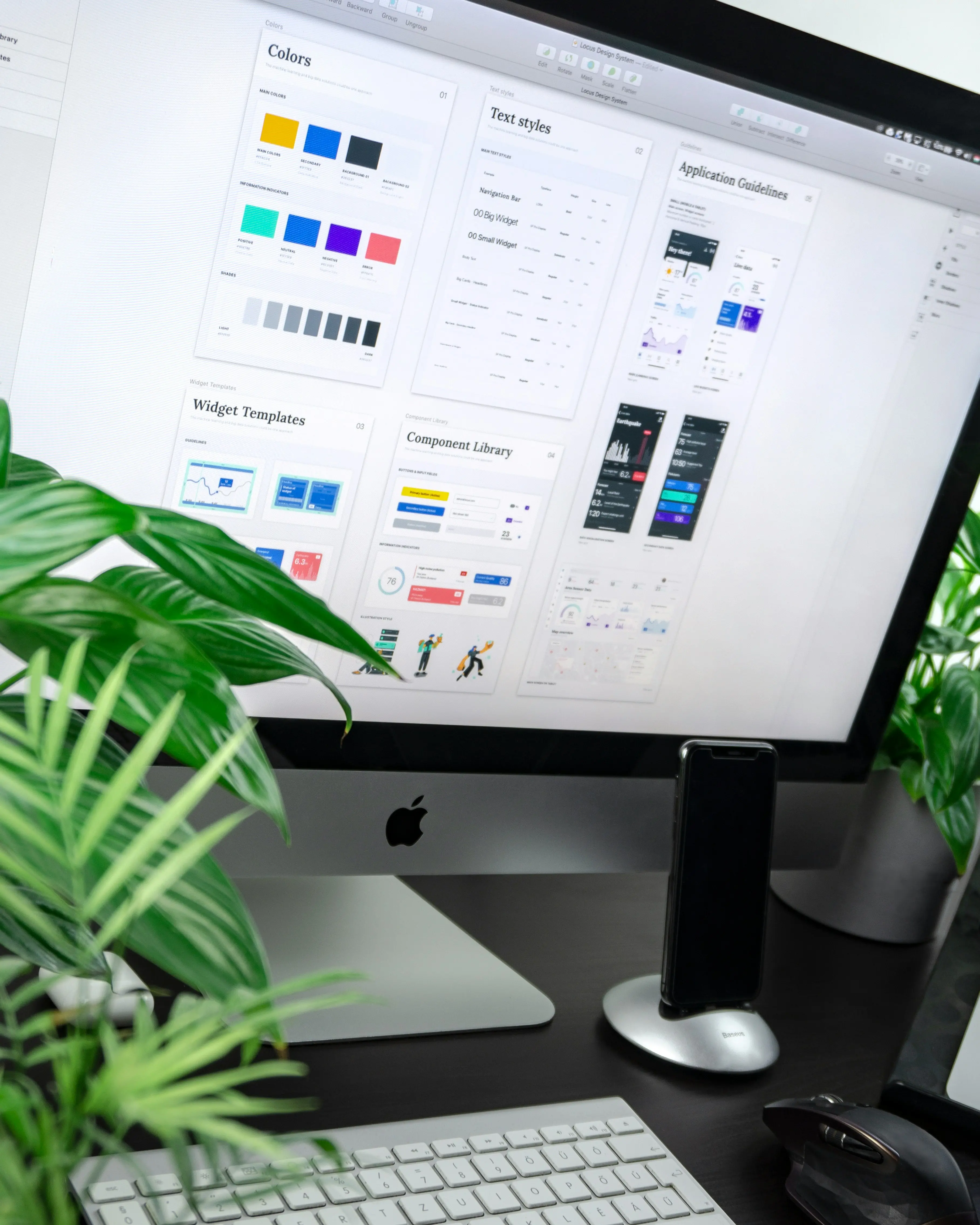
- UI: Visual hierarchy, components, patterns, and design systems ensure the product remains consistent, recognizable, and efficient to use.
When these layers work together properly, a digital product becomes not only more understandable. It also becomes technically easier to implement because requirements are clearer, dependencies more visible, and reuse opportunities identifiable earlier.
How Companies Recognize Weak App Design Early
Weak app design rarely shows only in look and feel. The symptoms are often operational:
- Users cannot find features or do not understand states.
- Technical terms, labels, and content are inconsistent.
- Important actions are not clearly prioritized.
- Too many edge cases only surface during development.
- Support effort and inquiries increase after launch.
- Teams debate fundamental interaction patterns in every sprint.
In such situations, the issue is usually not a lack of UI talent but a missing conceptual foundation. Good UX/UI work makes these problems visible early - before they become expensive in development and operations.
Why Good UX/UI Can Make Development More Economical
A common misconception is that app design costs time and therefore slows down the project start. In practice, the opposite is often true. When roles, core flows, interactions, and components are clarified early, friction in implementation decreases. Developers need to interpret less, stakeholders debate fewer fundamental questions, and changes do not surface only shortly before launch.
Additionally, good design pays into operations. Consistent patterns reduce onboarding effort, accelerate later extensions, and make a product more stable even as new features are added. For companies with multiple teams, long product cycles, or complex approval workflows, this is a meaningful economic factor.
What a Meaningful Start into App Design and UX/UI Looks Like
A good entry point does not begin with high-gloss screens but with clarification. This includes:
- Target vision and business purpose of the product
- Key user groups and their tasks
- Critical processes, decisions, and exceptions
- Existing systems, data, and technical constraints
- Prioritization for MVP or next development stage
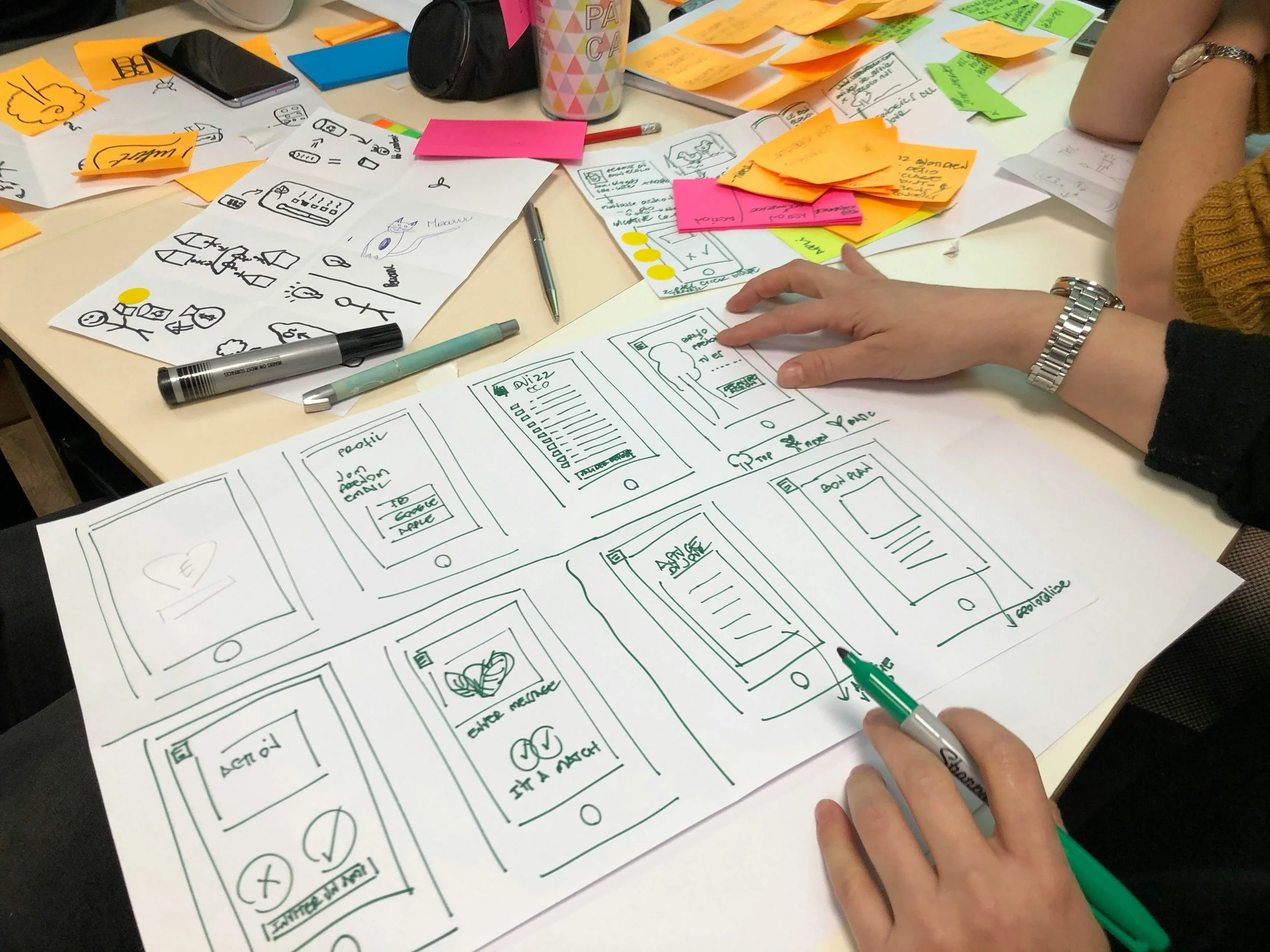
Building on this, wireframes, clickable prototypes, content structures, and initial UI patterns can be developed. This process becomes especially effective when conception, UX/UI, and technical feasibility are tightly interwoven - not sequentially, but as a shared working mode.
When Companies Particularly Underestimate App Design
App design is most underestimated where the product is considered "purely functional": in internal tools, specialized business applications, legacy portals, or process-oriented apps. Yet this is precisely where UX is often most important. When a product is used frequently, brings multiple roles together, or must function in critical situations, good user guidance directly impacts efficiency, error rates, and adoption.
App design is therefore not a luxury for consumer apps but a quality lever for B2B products, self-services, specialized applications, and modernization projects.
Why Good App Design Also Improves Adoption and Collaboration
Good UX/UI has an impact not only within the product but also across the organization. When users understand more quickly how a product works, training effort, support inquiries, and internal resistance decrease. At the same time, collaboration between business units, product teams, and development improves because processes, terminology, and states can be described more clearly.
Especially in companies with multiple stakeholders, this is an underestimated advantage. App design creates a shared language: What should the product deliver, which steps are critical, which information is truly relevant? This clarity accelerates decisions and prevents each team from developing its own vision of the product.
Conclusion
Good app design makes digital products more understandable, more consistent, and more economical. It creates the conceptual foundation for better UX/UI, reduces friction in development, and improves quality in later operations. Companies that understand design early as part of the product logic make more reliable decisions and build digital products that deliver lasting value.
FAQ
Is UX/UI only relevant for consumer-facing products?
No. Internal tools, specialized business applications, and self-services benefit strongly from good UX/UI because it makes processes more understandable and efficient.
What is the difference between app design, UX, and UI?
App design is the umbrella term. UX describes user guidance, logic, and interaction. UI refers to the visual and component-based implementation of the interface.
How much conception does an MVP need?
An MVP needs less scope but not less clarity. Especially for small initial versions, it is important to properly define core value, user flow, and priorities.
When should development be involved in the design process?
As early as possible. The best results emerge when conception, UX/UI, and technical feasibility are thought through together.
If you understand app design not as decoration but as part of product quality, a structured start pays off. allaboutapps combines conception, UX/UI, and engineering with permanent teams in Vienna - precise, reliable, and experienced in complex industry contexts.